
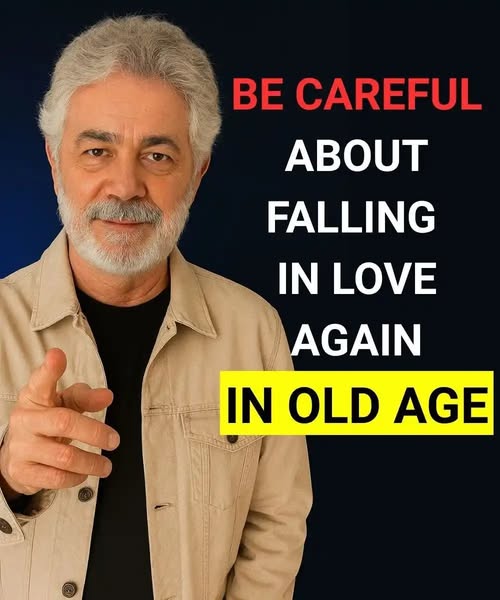
The danger of falling in love after 60: what no one tells you
Falling in love after 60 is a unique frontier. While it carries the same emotional intensity as it did at 20, the logistical and social stakes are vastly different. In your 20s, you are building a life from scratch; after 60, you are merging two fully established “estates”—emotional, financial, and familial.
Here is the reality of late-life romance that rarely makes it into the movies.
1. The “Sandwich” Family Dynamic
Falling in love at this stage doesn’t just involve two people; it involves two adult families.
- The Inheritance Tension: Adult children may feel protective—or even suspicious—regarding their inheritance. A new partner can be seen as a financial threat rather than a source of happiness.
- The Caregiver Conflict: If one partner’s health declines, the new partner often becomes the default caregiver. This can create friction with adult children who may disagree with how their parent is being cared for.
2. The Financial Complexity
In your 60s, financial habits are set in stone. Merging lives often means dealing with:
- Pensions and Social Security: Remarriage can sometimes affect survivor benefits or tax brackets.
- Asset Protection: Many couples over 60 choose “LAT” (Living Apart Together) or strict prenuptial agreements to keep their retirement funds separate and protect their respective children’s futures.
3. The Grief Factor
By 60, most people carry “ghosts.” Whether from widowhood or a long-term divorce, the baggage is heavy.
- Comparison: It is human nature to compare a new partner to a deceased spouse. Navigating that shadow without making the new partner feel like a “consolation prize” requires immense emotional maturity.
- Health Anxiety: There is a heightened awareness that “till death do us part” could be much sooner than it would have been at 25. Every romance at this age is colored by the urgency of time.
Pages: 1 2